In this article
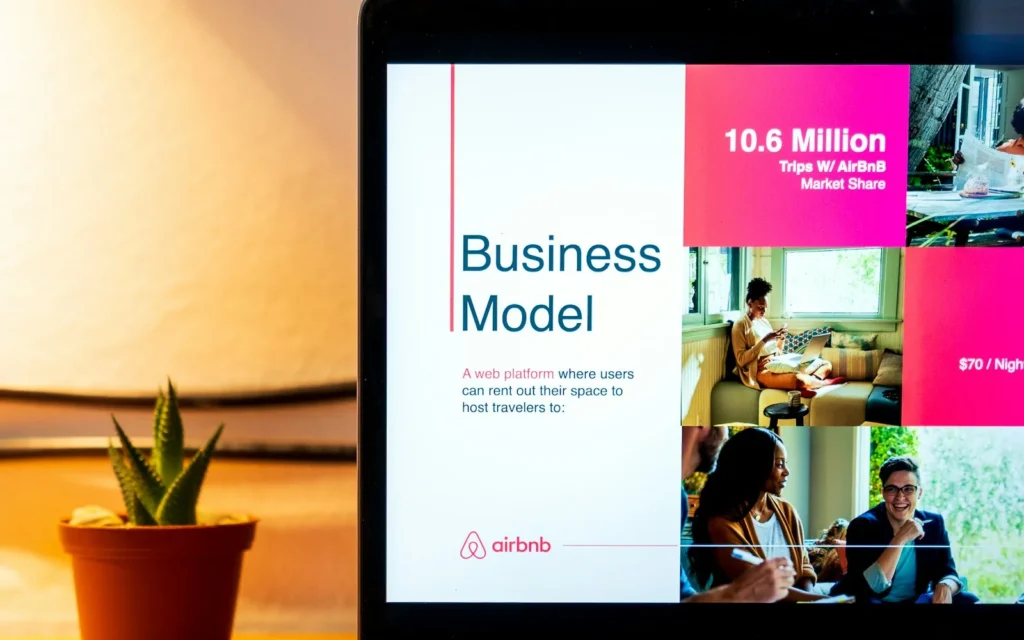
Illustrative photo by Headway / Unsplash.
- Validate the problem before the solution.
- Talk to at least ten potential customers and ask about past behaviour.
- A pre-sale or waitlist is stronger evidence than compliments.
Most failed ventures do not fail because of poor execution. They fail because nobody wanted the product. A short validation sprint helps you find that out before you spend months and money. Here is a 14-day plan you can run alongside a job or other projects.
Days 1 to 2: Define the problem and the customer
Write one sentence: “[Specific person] struggles with [specific problem] when [situation].” If you cannot be specific, the idea is not ready. List what people do today to solve it, including doing nothing. Those are your real competitors.
Days 3 to 5: Talk to potential customers
Aim for ten short conversations. Ask about past behaviour, not opinions about your idea.
- “Tell me about the last time this problem came up.”
- “What did you try? What did it cost?”
- “What is still frustrating?”
Avoid pitching. Friends and family tend to be polite, so prioritise people who match your target customer.
Days 6 to 8: Research the market
Search for existing solutions, read reviews to find recurring complaints, and check whether people are actively searching for answers. Existing competitors are usually a good sign: they prove people pay to solve the problem.
Days 9 to 11: Build the smallest possible offer
Create a one-page description of what you will deliver, for whom and at what price. A simple landing page with a clear promise and an email signup or payment link is enough. You are testing demand, not building the product. Make sure payments are quick to receive and your accounts are secured, as described in our security checklist.
Days 12 to 13: Run a small test
Send your offer to the people you interviewed and share it where your audience gathers. Measure real actions: signups, replies, pre-orders. Ten genuine pre-orders tell you more than a hundred likes.
Day 14: Decide
Review the evidence against three questions: Is the problem painful enough? Will people pay? Can I reach them affordably? Then choose to proceed, change direction or stop. Stopping early is a successful outcome because it saves time and money.
Next steps
If the idea passes, plan your launch, set up a simple productivity stack and start building an audience with an email list. For more founder guides, browse Entrepreneurship.
Final thoughts
Validation is about reducing risk, not guaranteeing success. Two focused weeks of honest testing can save you from building the wrong thing.