In this article
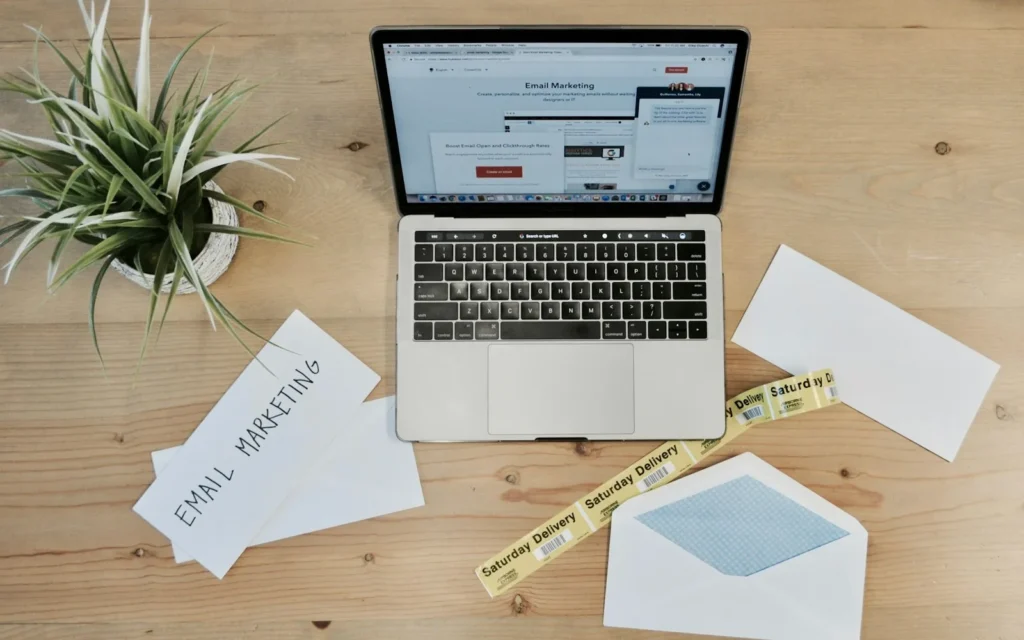
Illustrative photo by Justin Morgan / Unsplash.
A useful welcome sequence tells subscribers what they signed up for, delivers the promised resource and helps them take a first step. For a new blog, three focused emails are enough to establish that relationship without turning every message into a sales pitch.
The examples below are original copy for an imaginary productivity newsletter. Adapt them to the actual promise on your signup form. They are writing examples, not measured conversion results or legal compliance templates.
Give each message a different job
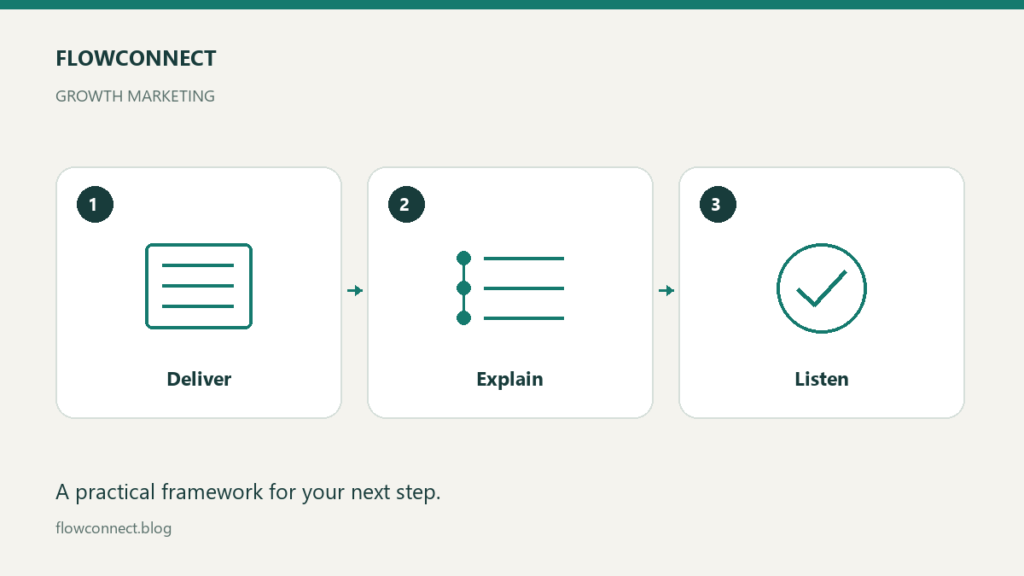
The first message delivers. The second helps the reader use what they received. The third invites a relevant response or another useful article. If all three emails say “welcome” and link to the homepage, the sequence has little reason to exist.
Before writing, state the newsletter promise in one sentence: “A weekly practical idea for running a solo business.” Then check the signup page and confirmation experience against it. Do not promise a weekly publication schedule unless you can maintain it.
Email one: deliver the promised item
Subject: Your weekly review worksheet
Welcome to [newsletter]. Here is the worksheet you requested: [link].
Start with the first box: what is still unfinished?
You do not need to complete the whole sheet today.
I will send [your actual frequency and subject].
If this is not what you expected, the unsubscribe link is below.
Use a descriptive resource link and make sure it opens for someone who is not signed into your account. If a download requires an account or another form, disclose that before the reader clicks. Delivering the promised resource is the priority.
Email two: solve one usage problem
An example opening is: “If your review list is too long, separate commitments from ideas. Choose one unfinished commitment and write the next physical action.” Follow it with a short worked example, such as changing “website” into “send the revised homepage draft for approval.”
Link to one relevant tutorial. Do not bury the guidance under a catalogue of every article you have published. A reader who uses one useful idea has more reason to return than a reader who receives ten unexplained links.
Email three: ask a question you can use
An example is: “Which part of your workweek creates the most repeated admin?” Explain that replies will help you choose future topics. Invite a response only if someone will actually read it.
You can also offer a choice between two guides: one for planning and one for client work. Those choices should reflect distinct reader needs. Avoid presenting a response as a personal consultation unless that is genuinely offered.
Review the complete reader journey
Use a test subscriber to inspect the signup confirmation, resource delivery, message order, mobile layout and unsubscribe link. Make sure sender details are recognizable and that no placeholders remain. Use your email provider’s consent and unsubscribe features and get appropriate advice for the rules that apply to your audience.
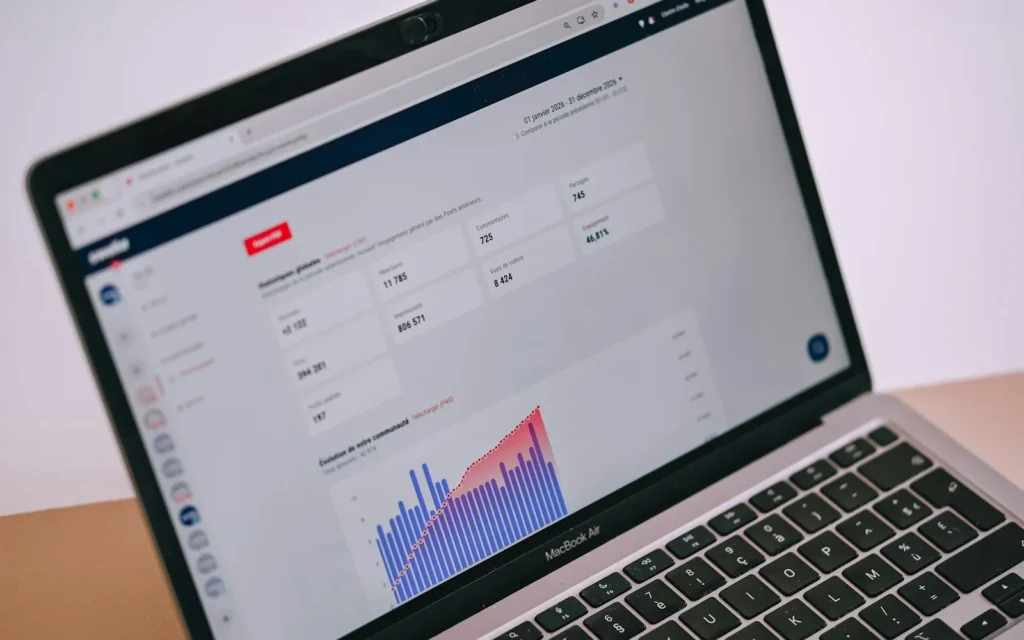
Measure useful outcomes such as resource visits and replies alongside available email metrics. Treat those numbers as feedback about this specific sequence, not proof that a subject line is universally best. Revise the weakest step before adding more messages.